You've been thinking about booking a massage for a while now. Maybe your shoulders have been screaming at you, or a friend won't stop raving about their bodyworker. But something keeps holding you back — you're not sure what to expect, what to wear, or what happens when you actually walk through the door.
That hesitation is completely normal. At Zen Fox Healing Arts in West Asheville, first-time clients make up a large portion of the schedule — and every single one of them has had the same questions you do. This guide walks you through the entire experience from start to finish, so you can show up feeling informed and at ease.
First-Time Massage Anxiety Is Completely Normal
Let's name it: getting a massage for the first time can feel vulnerable. You're in an unfamiliar space, with someone you've never met, and there's an expectation to relax on command. That's a lot to ask of your nervous system.
Here's the truth — you don't have to feel relaxed right away. A skilled therapist knows how to meet you where you are. Michael's approach at Zen Fox is to create space for whatever you're feeling, not to rush you into some forced state of calm. By the time the session starts, most first-timers are surprised by how quickly their body settles in.
"The most important thing you can bring to your first massage is honesty — about what hurts, what feels good, and what makes you uncomfortable. Everything else, I'll guide you through."
How to Book Your First Session
Booking at Zen Fox Healing Arts is straightforward. You can schedule online through the appointments page, where you'll see available session lengths — 60, 75, 90, or 120 minutes. For a first visit, 90 minutes is ideal because it gives Michael enough time for a thorough intake conversation and a complete session without feeling rushed. If you're unsure, 60 minutes is a perfectly good starting point.
You can also call or text (804) 658-7349 if you prefer to ask questions before committing. There's no pressure — Michael is happy to chat about what session type might be right for you.
What to Wear and What to Bring
Keep it simple:
- Wear comfortable clothes — You'll undress to your comfort level for table work, so what you arrive in doesn't matter much. For Thai massage, wear loose, stretchy clothing you can move in
- Skip the heavy lotions or perfumes — The studio uses professional-grade massage oils, and fragrances can compete
- Bring nothing special — Water, linens, bolsters, and everything else are provided. Just bring yourself
- Eat lightly beforehand — You don't want to be starving or stuffed. A light meal an hour or two before is perfect
- Hydrate — Drink water throughout the day leading up to your session. Well-hydrated muscles respond better to bodywork
Arriving at the Studio
Zen Fox Healing Arts is a private home-studio located off Brevard Road in West Asheville, near the North Carolina Arboretum and the Bent Creek area. If you've driven past the Arboretum entrance or visited Biltmore Park, you've been in the neighborhood.
The studio is at 27 Coffey Circle — a quiet residential street tucked away from the noise of Brevard Road. When you arrive, you'll notice the space immediately feels different from a commercial spa or clinic. It's warm, intentional, and unhurried. There's no front desk, no waiting room full of strangers, no overhead fluorescent lighting. Just a dedicated healing space designed for focused, one-on-one bodywork.
Plan to arrive 5–10 minutes early for your first visit. This gives you time to settle in, fill out a brief intake form, and have a conversation with Michael before your session begins.
The Intake Conversation
Before any hands-on work begins, Michael will sit down with you for an intake conversation. This isn't a clipboard-and-checkboxes formality — it's a real dialogue about your body, your goals, and your comfort level.
He'll ask about:
- Where you're holding tension — Neck and shoulders? Low back? Everywhere?
- Your goals for the session — Pain relief? Stress reduction? Recovery from a specific activity?
- Your history — Any injuries, surgeries, or medical conditions he should know about
- Your comfort level — Pressure preferences, areas you'd like avoided, anything that would make you feel more at ease
- Your experience — Have you had massage before? Any modalities you're curious about?
This conversation shapes the entire session. Michael uses what you share to build a custom approach — not a one-size-fits-all routine. If this is your first massage ever, he'll explain exactly what's going to happen before it happens.
During the Session: Communication Is Everything
Once the session begins, the most important thing you can do is communicate. You are never bothering your therapist by speaking up. In fact, Michael actively encourages it.
Pressure Preferences
There's no "correct" pressure. Some people need deep, focused work. Others respond better to lighter, slower techniques. Michael will check in during the session, and you should always feel free to say "more pressure," "less pressure," or "that spot right there." Your feedback makes the session more effective.
Breathing
You don't need to do anything special with your breath — just try not to hold it. When Michael works into a particularly tight area, a slow exhale helps your muscles release. He may gently remind you to breathe, and that's completely normal.
It's Okay to Talk — or Not
Some clients chat throughout the session. Others close their eyes and drift off within five minutes. Both are perfectly fine. This is your time, and there's no wrong way to receive bodywork.
What Integrative Massage Feels Like
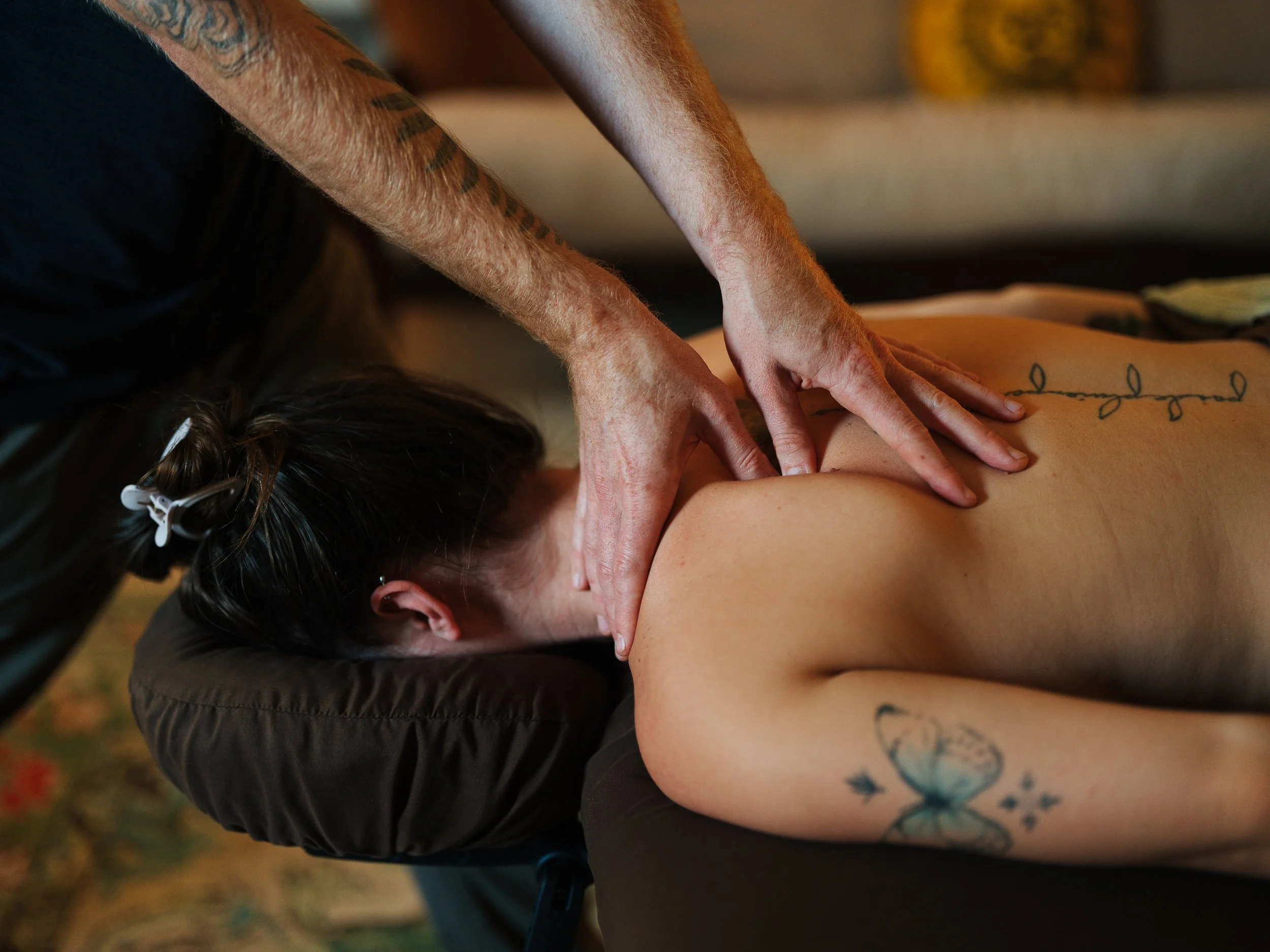
Michael's approach is integrative massage therapy — meaning he draws from multiple modalities and tailors the session to what your body needs in real time. You might experience deep tissue work on your shoulders, gentle myofascial release along your spine, and neuromuscular techniques on a stubborn trigger point, all within the same session.
This isn't a cookie-cutter Swedish massage where someone follows the same routine for every client. It's responsive, adaptive bodywork that treats your body as a connected whole rather than a collection of isolated parts. Many first-time clients say it feels like the therapist is "listening" to their muscles.
Draping and Your Comfort
Professional draping is maintained at all times during table work. You'll be covered with a sheet and blanket, and only the area being worked on is uncovered. You undress to your comfort level — most clients are in their underwear, some prefer to keep more on. There is no judgment, and Michael will explain the draping protocol before you get on the table.
Your comfort and consent are non-negotiable. If anything feels off at any point during the session, you have full permission to speak up or end the session entirely. A good therapist expects and welcomes that boundary.
After the Session
When the session ends, Michael will step out to let you get dressed at your own pace. Take your time — there's no rush. Many people feel a bit spacey or deeply relaxed afterward, and that's a sign your nervous system has shifted into a restorative state.
Here's what to expect in the hours and days following your first massage:
- Drink plenty of water — Massage mobilizes metabolic waste from your muscles. Hydrating helps your body flush it out efficiently
- Mild soreness is normal — Especially if deep work was done. Think of it like the feeling after a good workout. This typically peaks 12–24 hours after and resolves within a day or two
- You may feel emotional — The body stores tension and stress physically. Releasing it can sometimes bring unexpected emotions to the surface. This is healthy and nothing to worry about
- Sleep may improve — Many first-time clients report the best night's sleep they've had in months
- Benefits build over time — One session can provide significant relief, but the real transformation happens with consistent bodywork. Most people notice cumulative benefits after 2–3 sessions
How Often Should You Get a Massage?
This depends on your goals, but for most people, once a month is the sweet spot for maintenance. Monthly sessions help manage chronic tension before it builds up, support your nervous system, and keep your body moving freely.
If you're dealing with a specific injury, chronic pain, or high stress levels, you may benefit from every 2–3 weeks initially, then transitioning to monthly once things stabilize. Michael will recommend a cadence based on what he finds during your first session.
Think of it like this: you don't wait until your car breaks down to change the oil. Regular massage is preventive care for your body — especially if you're active outdoors in the Asheville area, hiking the trails around Bent Creek and the Blue Ridge Parkway, or spending long hours at a desk in Biltmore Park.
Thai Massage vs. Table Work: Which Is Right for You?
First-timers sometimes wonder whether to start with traditional table massage or Thai massage. Here's a quick breakdown:
- Table massage is ideal if you want deep relaxation, targeted muscle work, and a more passive experience. You're on a padded table under warm linens, and the therapist does the work
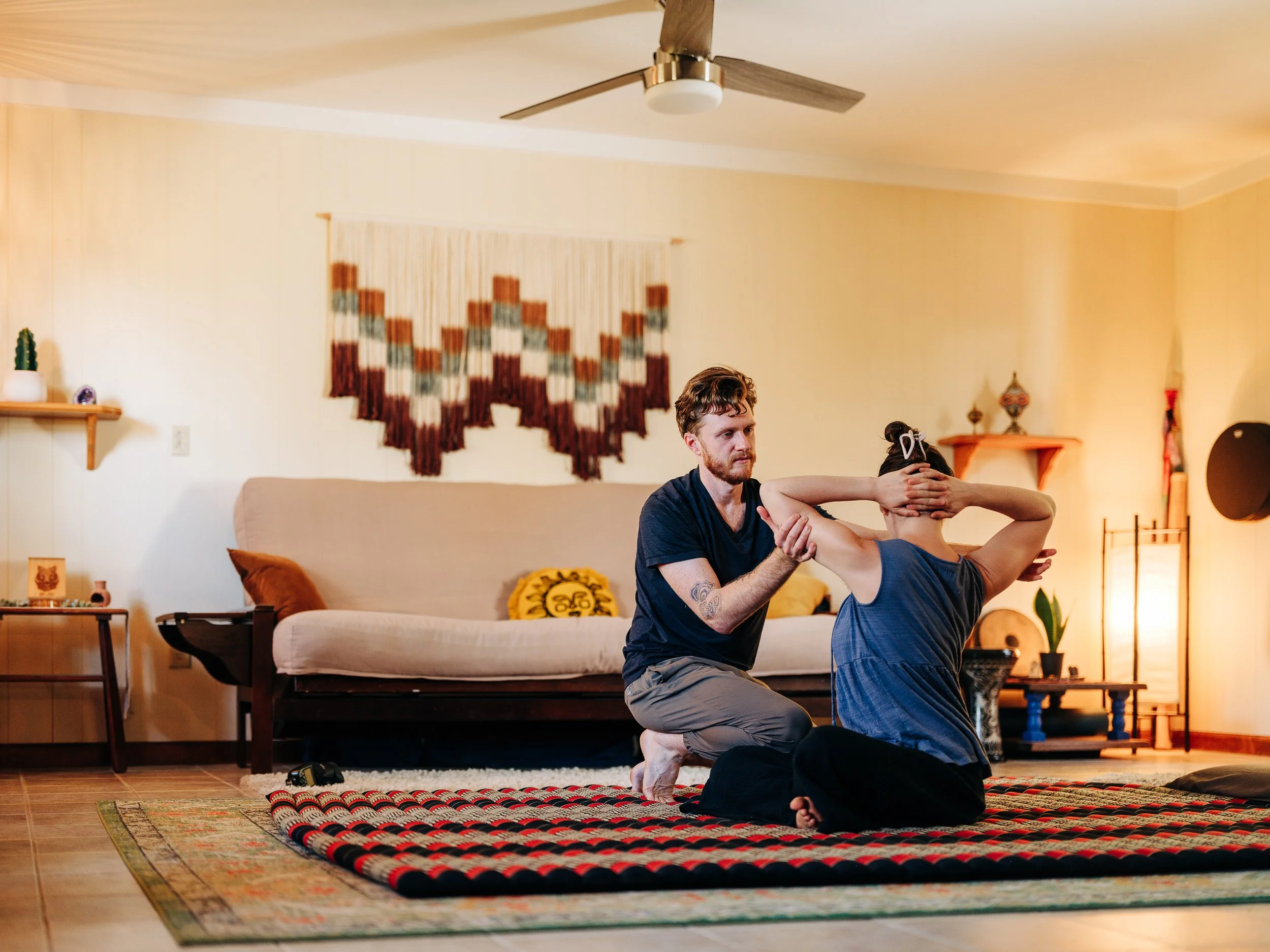
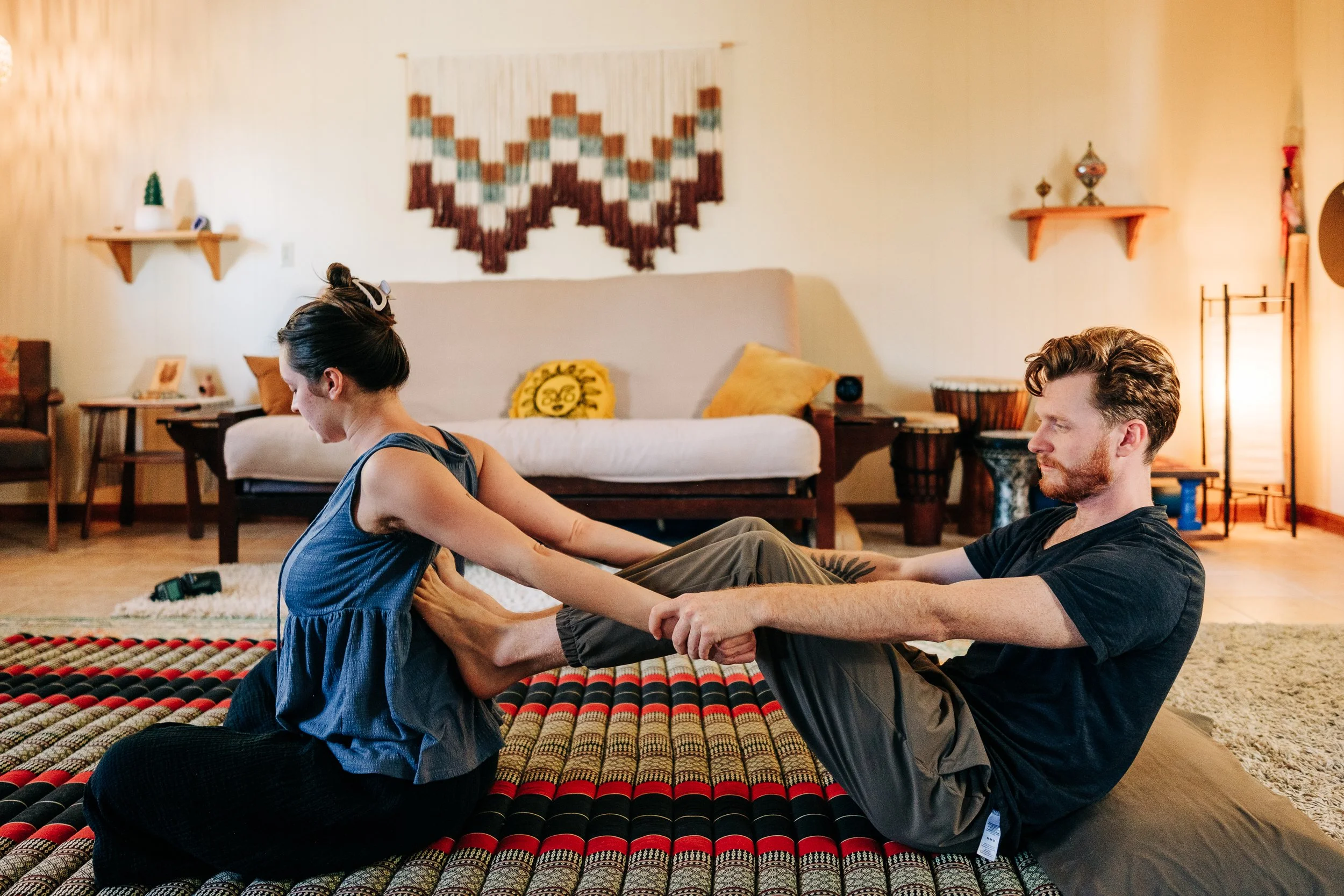
- Thai massage is performed on a floor mat, fully clothed. It involves stretching, compression, and rhythmic movement. It's more active and is excellent for improving flexibility and energy flow
If you're not sure, table massage is the most common starting point for first-timers. But if you love yoga, prefer to stay clothed, or want something that feels more like assisted stretching — Thai might be a great fit. Michael is happy to help you decide when you book.
Ready to Book Your First Massage?
Zen Fox Healing Arts welcomes first-time clients in West Asheville. Sessions available in 60, 75, 90, and 120 minutes — no experience necessary.
Book Your First Session